Conventional fire alarm system includes a fire alarm control panel, repeater, detectors, sounders, bases, and modules. Conventional fire alarm systems can have up to 32 zones (lines), with each zone supporting up to 32 detectors.
Fire Alarm Panels
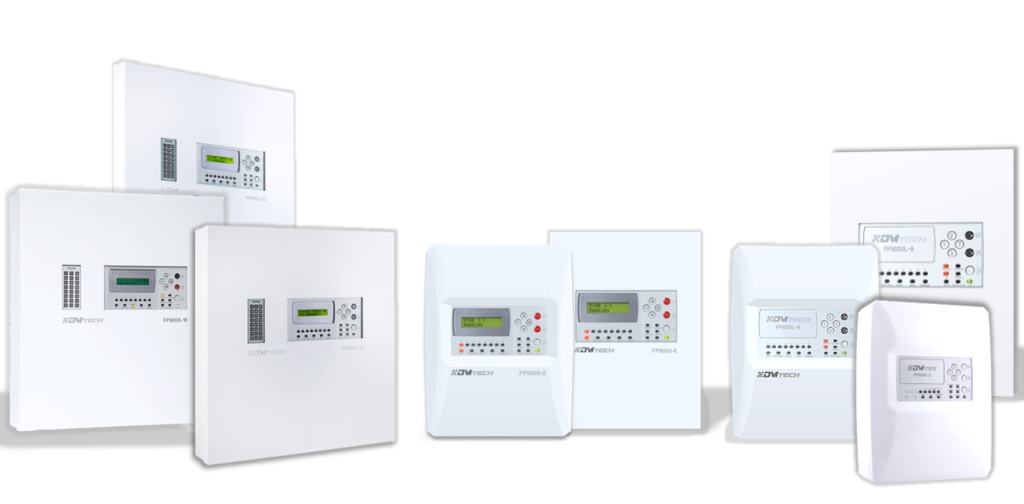
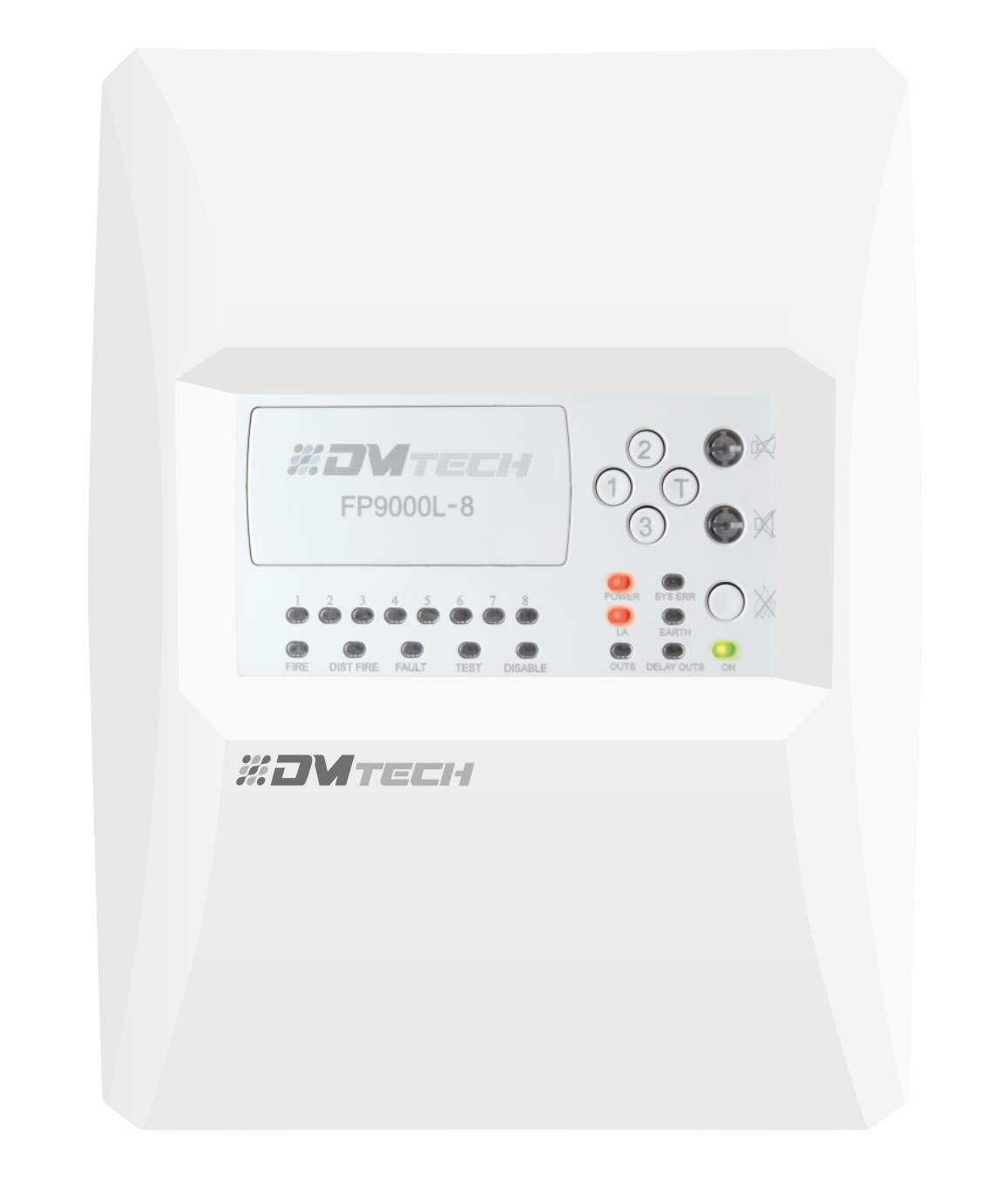
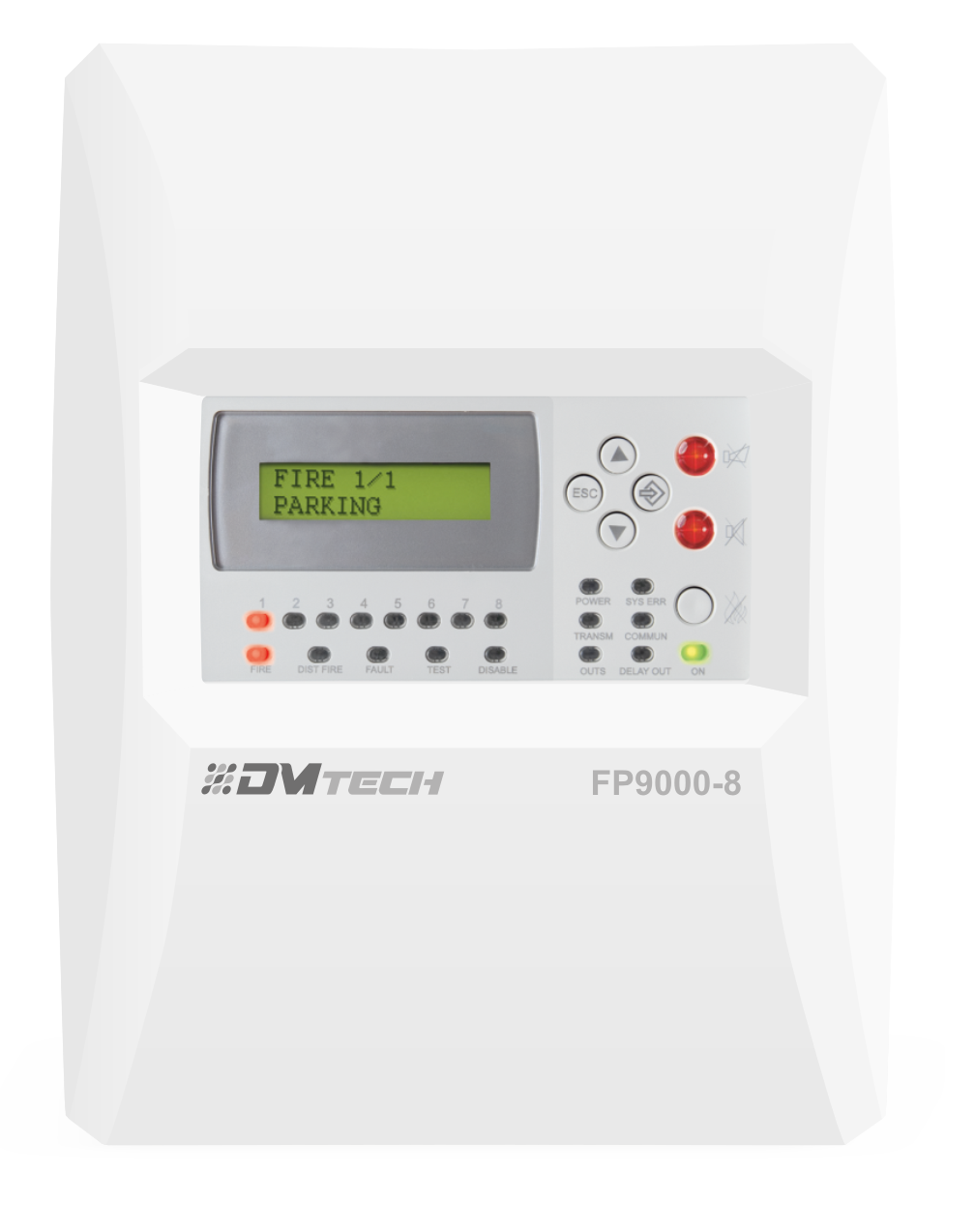
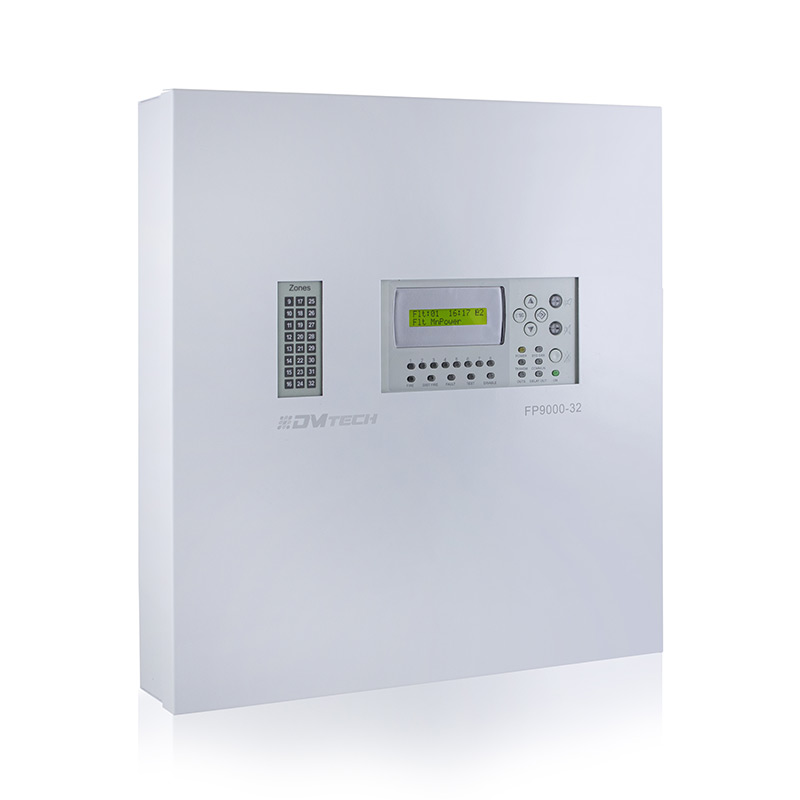
Conventional fire alarm control panels by DMTech are manufactured with and without LCD display. Control panels without a display support 2, 4, or 8 zones (lines), while those with a display support 4, 8, 16, 24, and 32 zones. They feature a multiple-options menu and are compatible with detectors from various manufacturers.
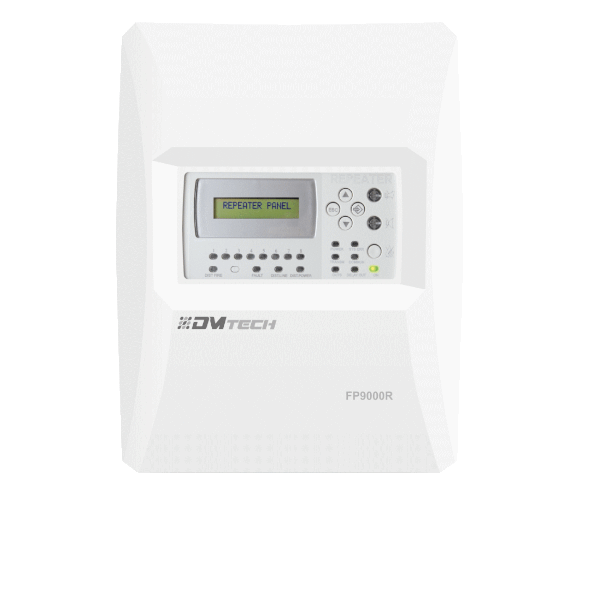
The repeater FP9000 R is used for scaling conventional fire alarm installations, connecting up to 8 fire alarm control panels (models FP9000L-2/4/8 and FP9000-4/8) into a fire alarm system.
Fire Detectors and Bases
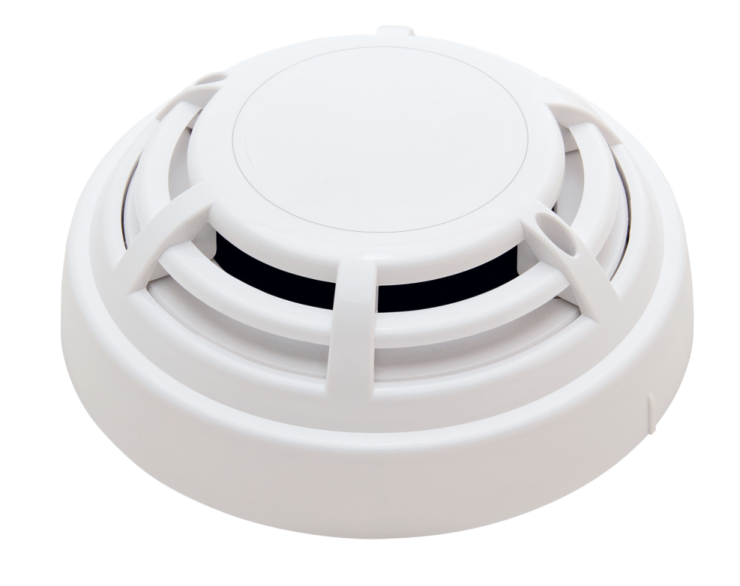
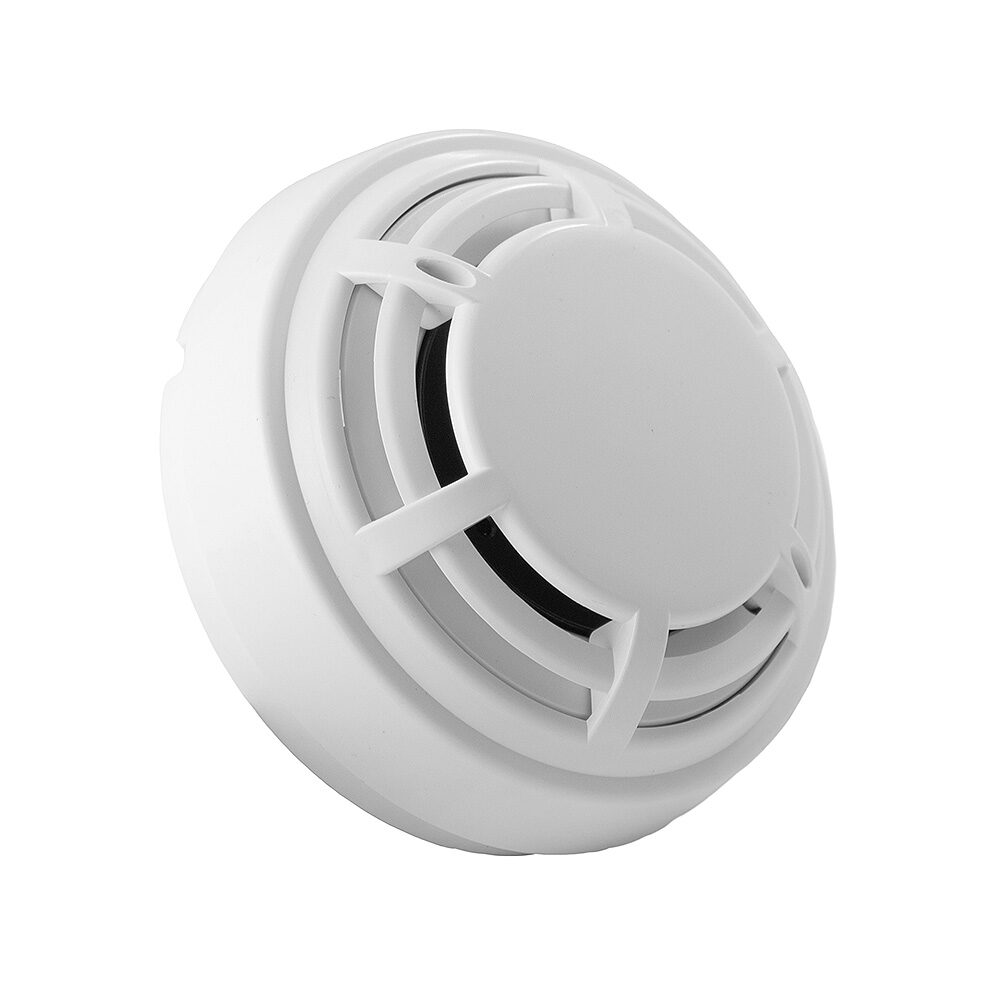
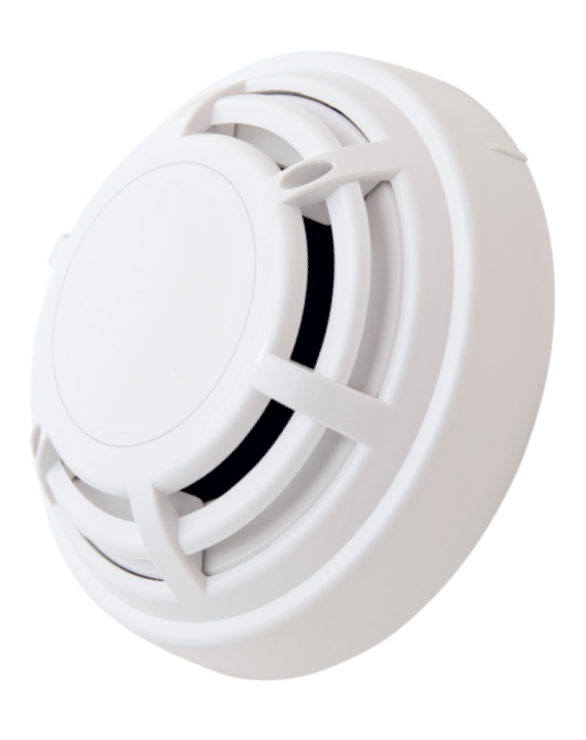
Conventional fire detectors include:
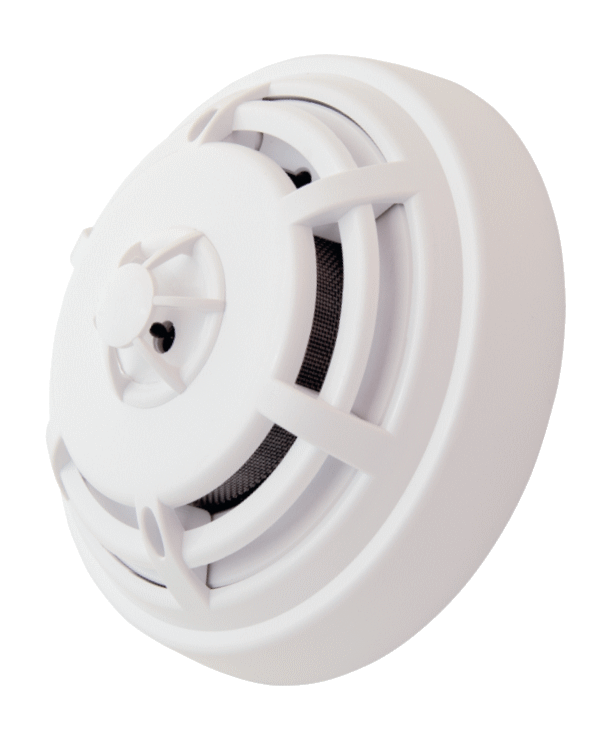
Optical-smoke detectors (Photoelectric)
Rate-of-rise heat detectors
Fixed temperature heat detectors
Combined detectors (Optical-smoke and rate-of-rise heat)
Flame Detectors
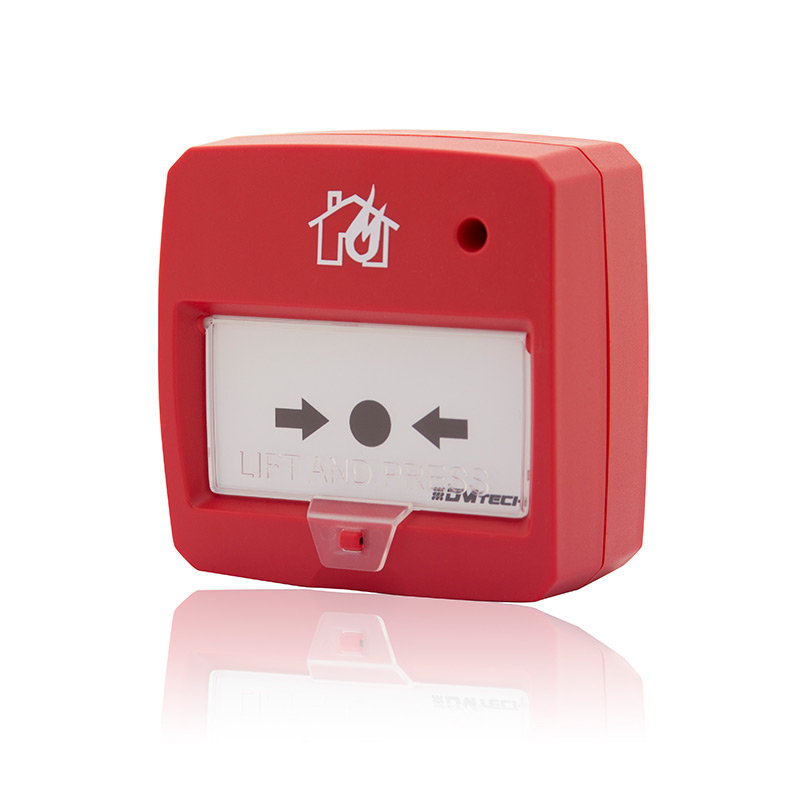
Manual call point detectors
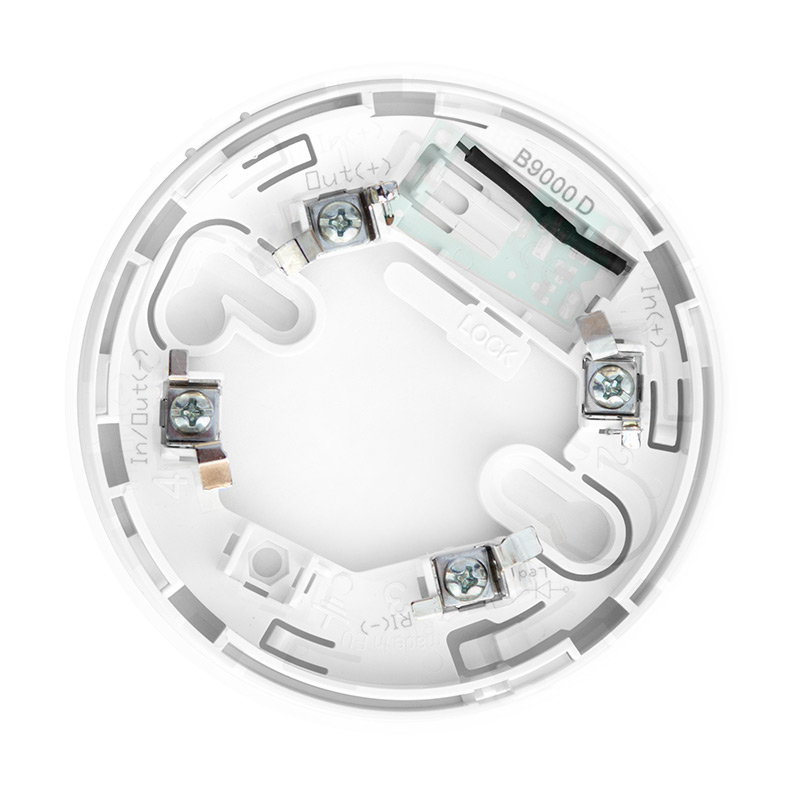
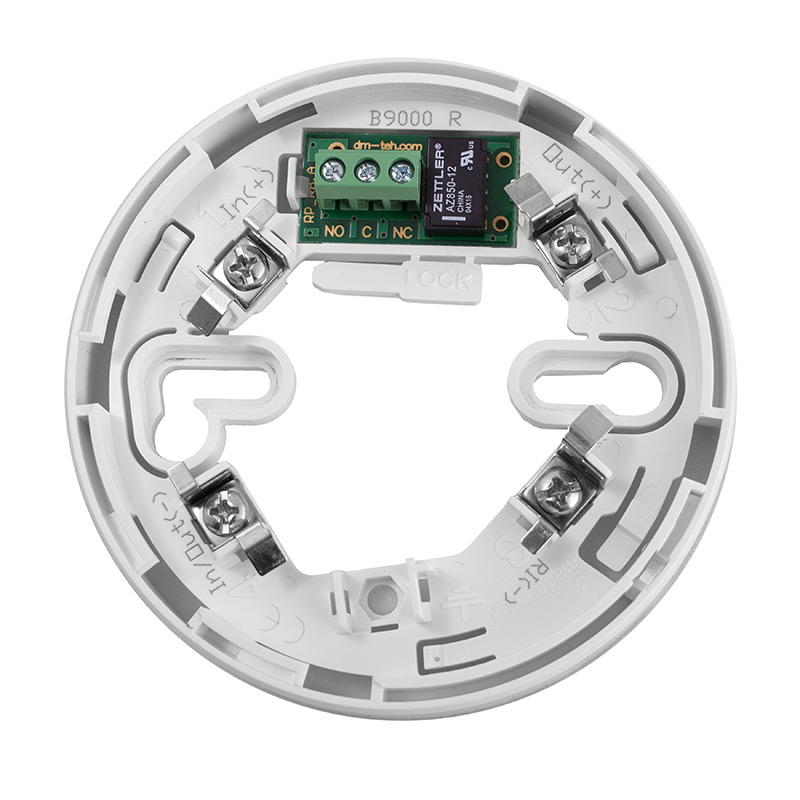
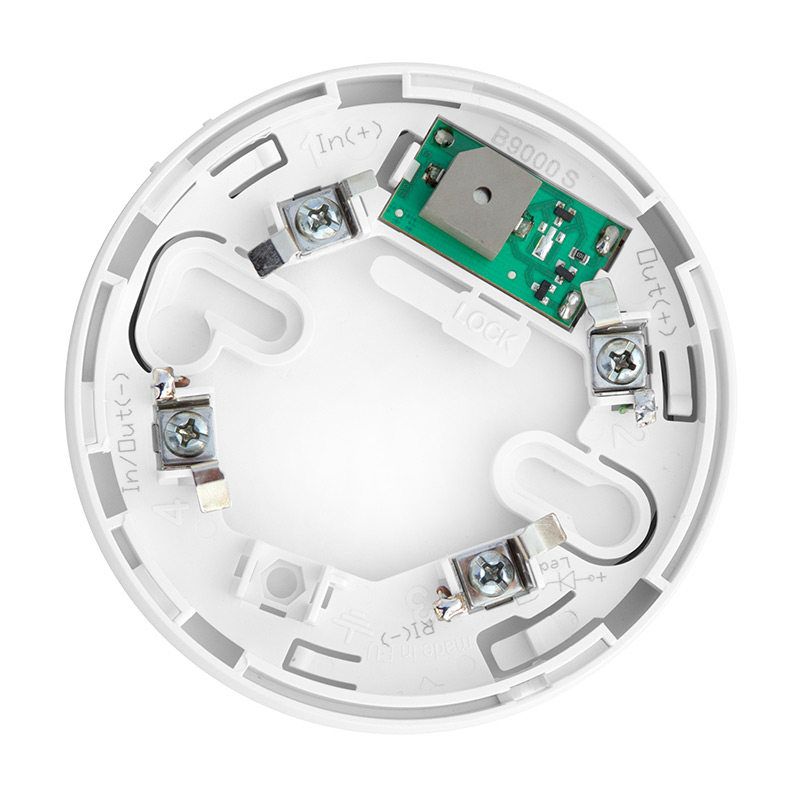
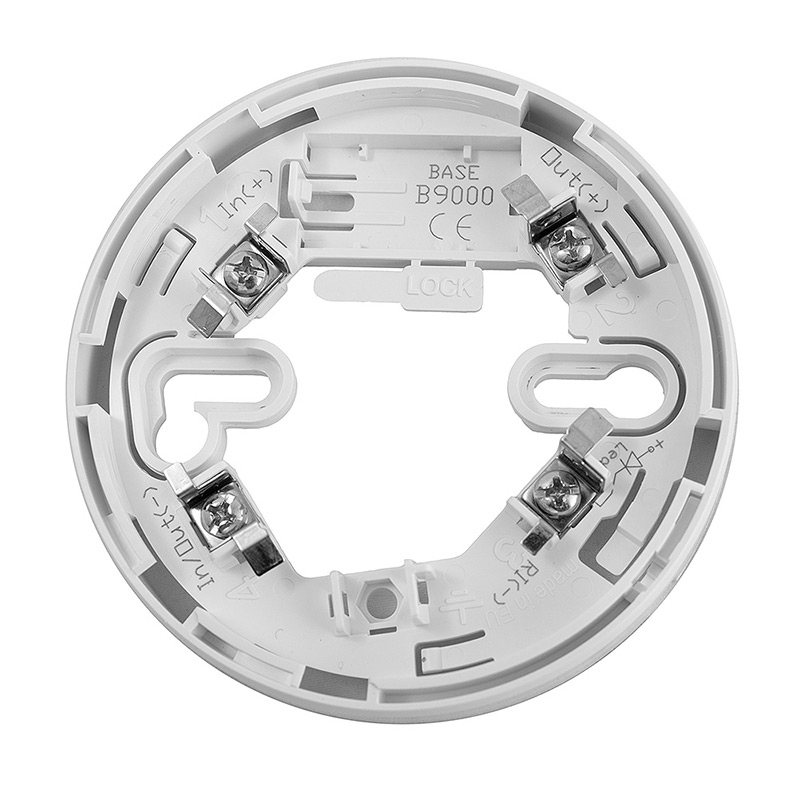
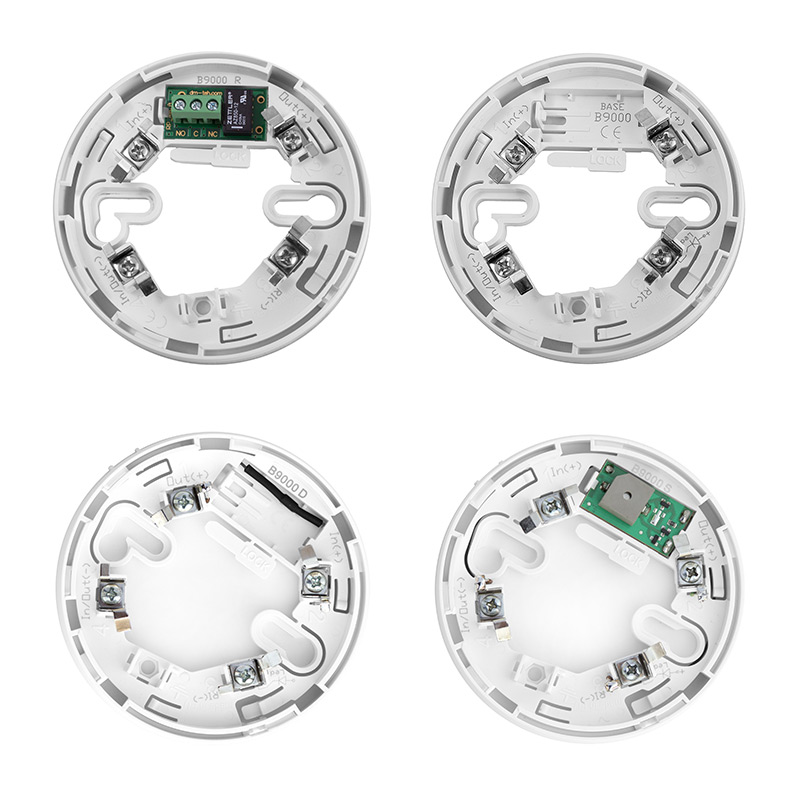
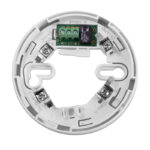
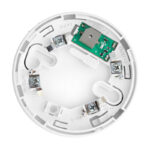
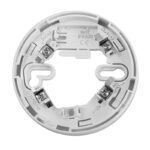
DMTech detectors are connected to the system via pre-installed conventional bases, DMTech bases are engineered with gold-plated enclosed contacts.
Sounders
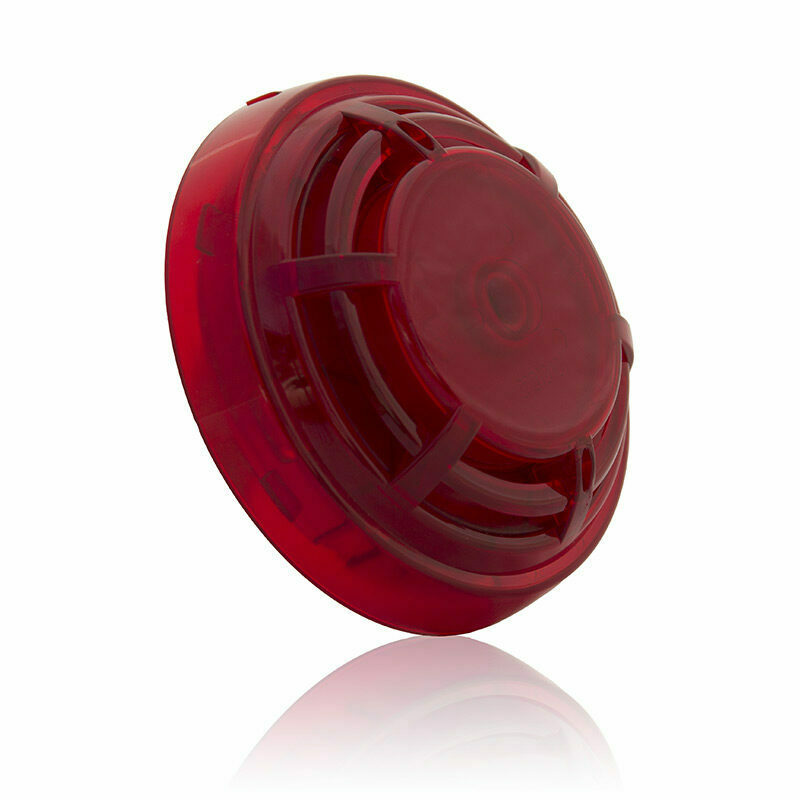
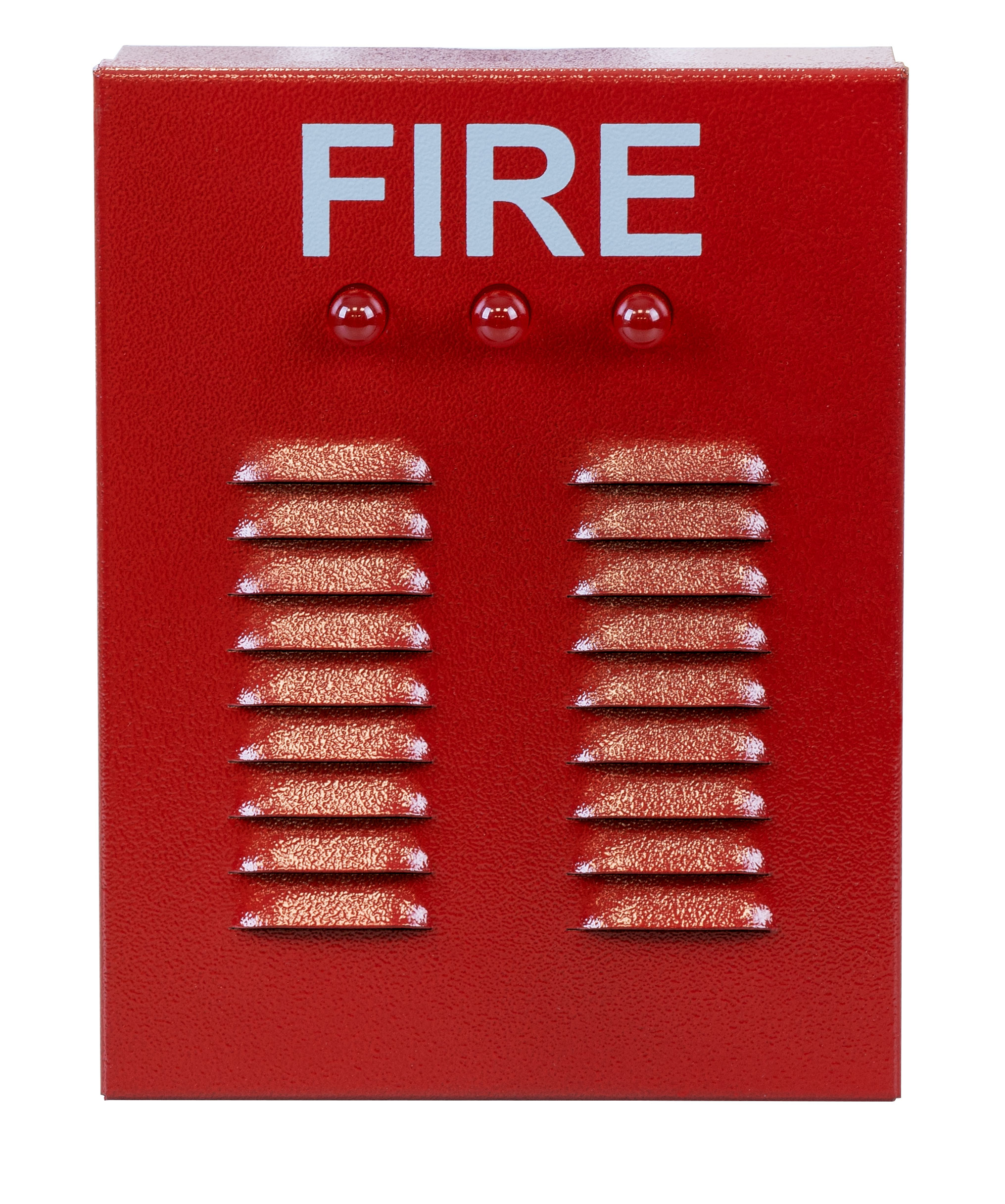
DMTech sounders are engineered to provide notification of a fire and are available for both indoor and outdoor installation. They feature both audible and visual signaling. Their housing is made of transparent plastic or includes built-in LED lights to ensure clear visual indication upon activation.
Modules
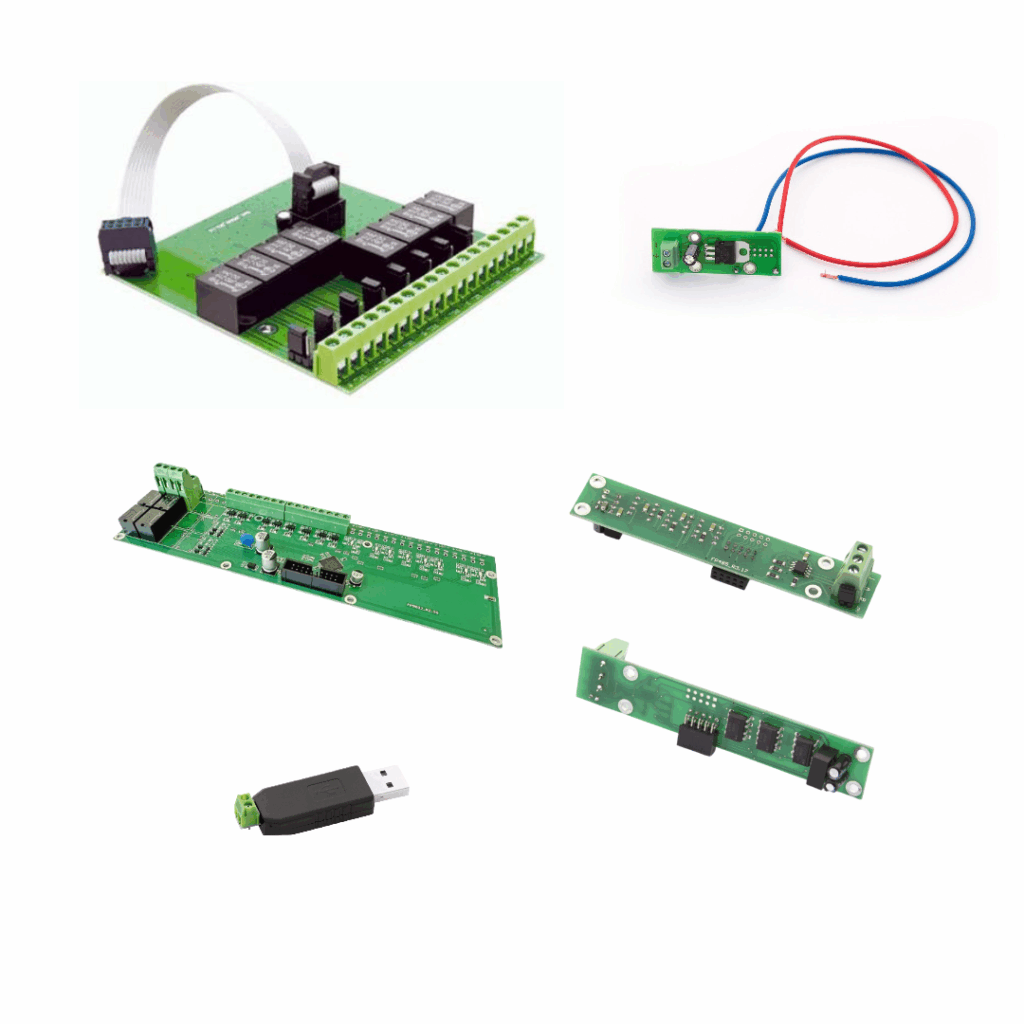
TheM9000-485 interface module can be added to the FP9000L-2/4/8 and FP9000-4/8 fire alarm control panels, designed to enable communication with a personal computer, other fire alarm panels, and repeaters. The M9000R module expands their capabilities with 2, 4, 6, or 8 monitored relay outputs.
By installing the M9000-24L microprocessor-based line expansion module, the FP9000-16 conventional fire alarm panel is expanded by 8 zones and 4 relay outputs, while the M9000-32L module expands it by 16 additional zones and 8 relay outputs.
Three Steps of Fire Security in Conventional Fire Alarm Systems
Three Steps of Fire Security in Conventional Fire Alarm Systems
DETECTION
The detection of a starting fire is carried out both automatically and manually. Four types of automatic detectors are used to detect a fire through the sensing of:
Smoke
Heat – two methods for evaluating the potential of a starting fire:
Rate-of-Rise – monitoring the rapid increase in temperature;
Fixed Temperature – reaching a specific temperature threshold.
Combined – a combination of optical-smoke and heat sensors with a rate-of-rise thermal element.
Flame – detection via an infrared light sensor.
In conventional fire alarm systems, a manual call point is also used, which is activated by physical pressure when a person in the area discovers a fire.
PROCESSING
Information from the detectors is constantly processed by the fire alarm control panel, engineered to receive and process signals from the system. Suck fire alarm panels are FP9000L-2/4/8,FP9000-4/8, and FP9000-16/24/32. When the sensors in detectors register a signal indicating the start of a fire, they increase their current consumption, which triggers the control panel to register the event.
NOTIFICATION
Notification is carried out by the fire alarm control panel through the activation of audible and visual alarms (sounders and beacons) and the triggering of other programmed system actions. This includes, for example: opening fire doors, stopping elevators, positioning them on the first floor and opening their doors, as well as other life-saving automations integrated into the fire security system.
Engineering and Installation
Engineering and Installation
Conventional fire alarm systems are suitable for small buildings and facilities that do not require the installation of addressable fire alarm equipment. They successfully provide fire security in:
Small cafes and shops
Workshops, small industrial buildings, and warehouses
Community centers, small office, and residential buildings
Long corridors
Facilities located in harsh environmental conditions
Zoning and components
The primary objective in the engineering of conventional systems is to zone the monitored area in a reliable manner; since establishing exactly where a fire has broken out requires a physical inspection of the entire conventional line.
Another vital part of effective fire notification is the correct selection of detectors, bases, and sounders, as every facility has specific fire security requirements.
Smoke detectors detect a starting fire earlier because most materials emit smoke before they ignite. They are often placed above carpets in hotel rooms and other residential or office buildings, as carpets produce significant smoke, contributing to early fire detection. Heat and flame detectors capture fires that burn without smoke, while combined detectors (optical-smoke and heat) are suitable for fires with varying characteristics.
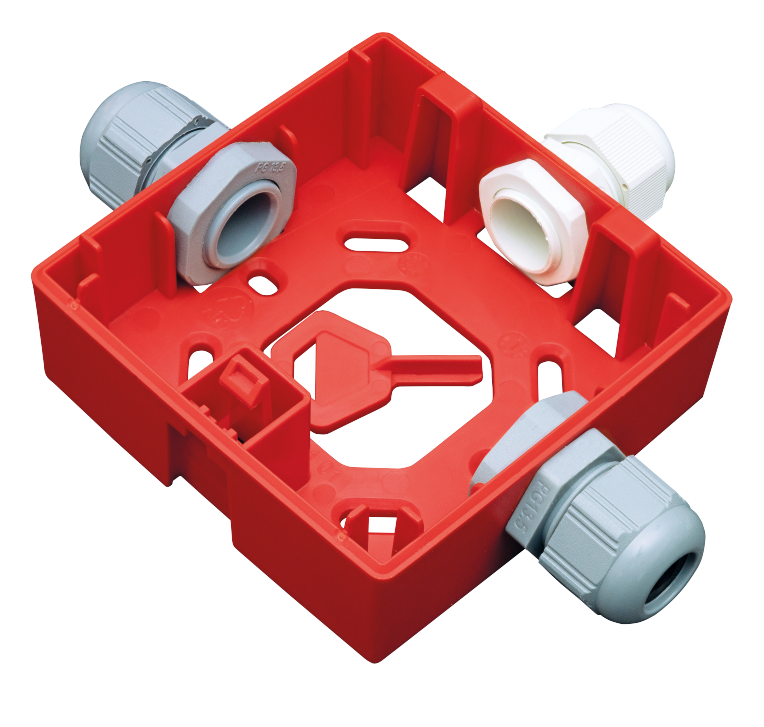
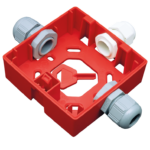
The manual call point is engineered to activate the system when automatic detection has not yet reacted or is unavailable. Simultaneously, detectors can be mounted on various bases, such as theB9000R(relay base), B9000D(conventional base with diode), and B9000S (conventional base with sounder). For installation on uneven surfaces, pipelines, or suspended ceilings, deep bases without flanges such as the B9000F-W and B9000F-Rare appropriate.
The selection of a suitable sounder is also essential for effective fire notification and the evacuation of people. The S9000 conventional indoor sounder features audible and flashing LED indication and is suitable for indoor installations, while the S9000 EXT conventional outdoor sounder is engineered to provide effective audible and visual indication outdoors.
Conventional fire alarm systems are cost-effective, with fast and easy installation, and rely on zoning for the effective detection of a starting fire. All products in the FP9000 conventional fire alarm system hold the EN-54 certificate and are engineered and manufactured according to European standards.